
FAQ: Beyond the Home
What Else Should You Budget For?
Not every site needs every item
Some sites are simple: a flat back garden in the suburbs with power and water at the fence. Some need real preparation. Before you set a total budget, work through this list against your actual site and cross off what doesn't apply.
We'll help you do that on the first call. What follows is the list we use ourselves, in the order the costs usually land.
One thing to hold onto: a lot of this is money that stays on the land, not in the home. A pad, a driveway and a wastewater system don't move with you. If you're leasing, work out with the landowner what happens to those improvements if either of you ends the arrangement early. Ira's lease treats them as an asset written down over fifteen years. Get that agreed before you dig.
Getting there and getting set
Transport and delivery. Distance, access and whether the home needs an oversize permit and pilot vehicle all affect the cost. A 3m-wide home on a good road is one number. A 4m-wide home into a tight rural block is another.
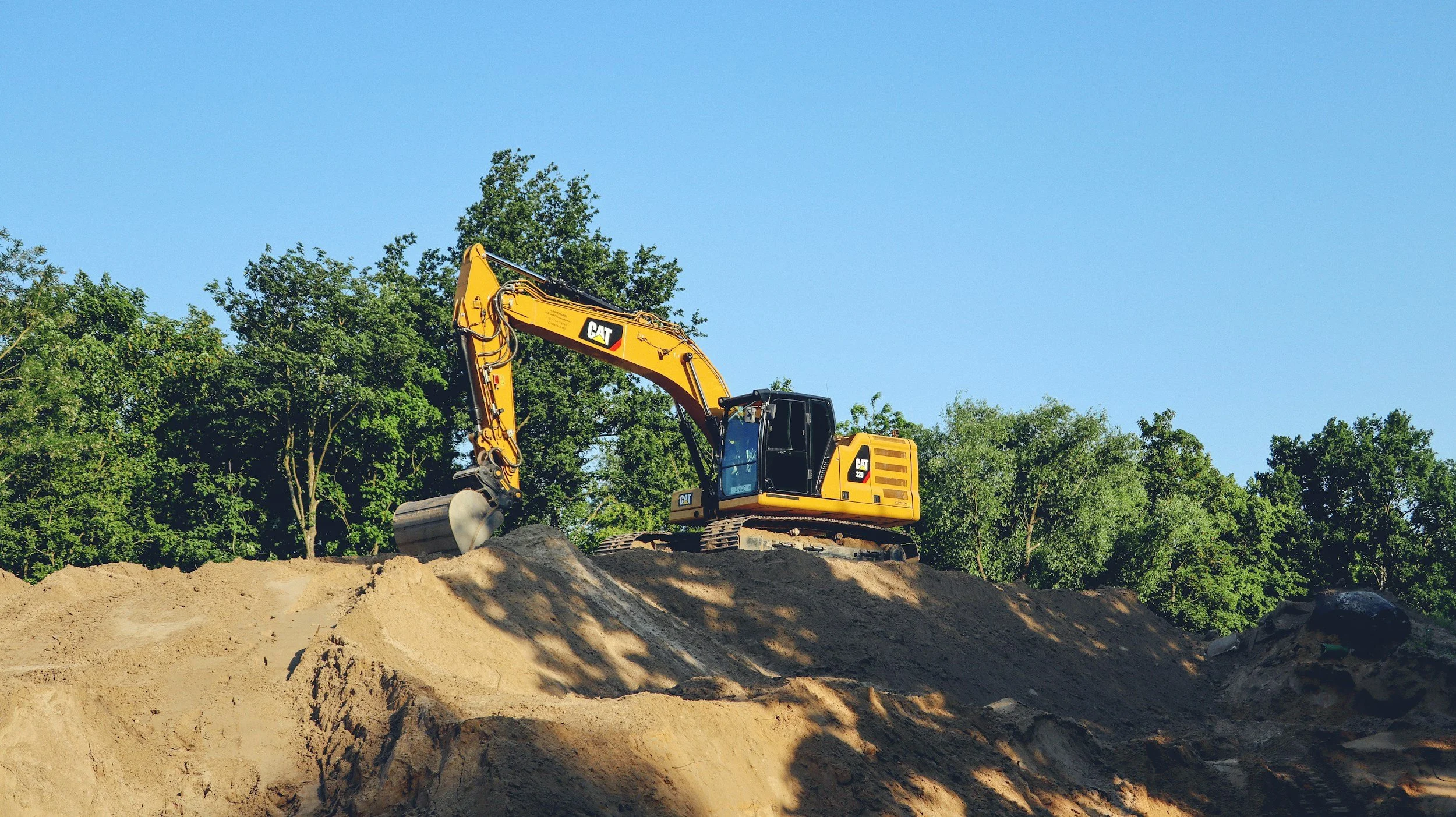
Site preparation. Clearing, levelling and any earthworks. Then a level, compacted gravel pad, sized about a metre wider and two metres longer than the home. And a driveway or access track a truck can use, sometimes with a culvert.
Entry steps, a deck or a landing. The home arrives with a door about a metre off the ground. You'll want something safe and permanent to walk on.
Services
Power. Either a grid connection with a compliant lead and switchboard, or solar, batteries and an inverter. Electrical installation and compliance certification either way.
Water. Tanks, a pump, filtration and UV treatment if you're off-grid, or a town water connection where it exists.
Wastewater. A holding tank, a septic or aerated system, or a council sewer connection. In Ira's case in Nelson, the drainage connection was the thing that triggered council fees, not the home. Check what triggers what on your site before you assume.
Gas bottles, regulators and a safe, accessible spot for the supplier to swap them. Internet, which on rural sites usually means Starlink or a 4G or 5G setup.
Living there
A storage shed. Bikes, tools, garden gear, surfboards and kids' outdoor stuff won't fit inside a tiny home and shouldn't have to.
Landscaping: paths, planting, retaining, fencing. Furniture, curtains, linen, kitchenware and the small things that make it a home.
Insurance for the home and for your contents. Council and site-specific items: any consents, inspections, engineering reports, bushfire attack level assessments or other requirements that apply to your land. These vary enormously by council and by zone.
How to use this list
Go through it with your site in front of you, get quotes for the items that apply, and add them to the price of the home before you commit to anything. We won't publish ballpark figures for site costs because they vary too much to be useful and we'd rather not mislead you.
What we will do is walk your site list with you, flag the items people usually forget, and tell you straight where a site is going to cost more than it's worth. That's the conversation we had with Ira four times before the right back garden turned up.